
Argentine music is a rich, diverse tapestry that blends deep Indigenous roots, Spanish and Italian immigrant traditions, and African rhythms.
1. Tango: The Soul of Buenos Aires
Tango emerged in the working-class ports and immigrant neighborhoods of Buenos Aires and Montevideo in the late 19th century. Combining European melodies with candombe rhythms brought by African slaves, it is defined by its passionate, syncopated rhythms and the iconic sounds of the bandoneón (a type of concertina). [1, 2, 3, 4, 5]
- Legends: Carlos Gardel is universally revered as the "King of Tango." Later, Astor Piazzolla revolutionized the genre with Nuevo Tango, blending it with classical and jazz elements.
- Experience it: You can attend local milongas (tango dance halls) across Buenos Aires, such as La Viruta or Confitería Ideal. [1, 2, 3, 4, 5]
2. Folklore: The Rural Rhythms
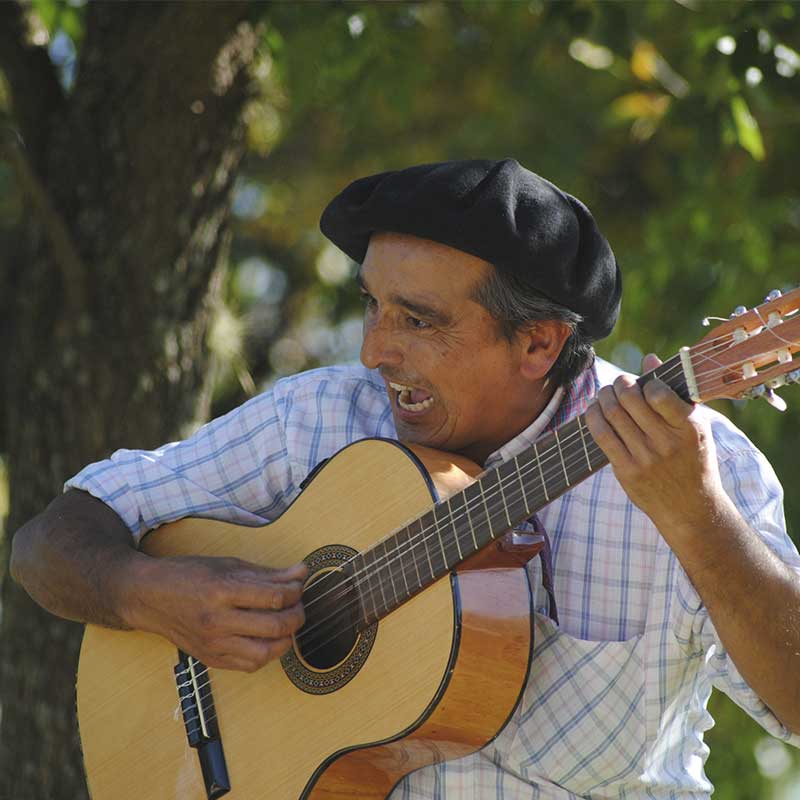
Argentine folklore music originates from the country's vast rural regions, predominantly the northwest and the Littoral (northeast). [1, 2, 3]
- Chacarera: Originating in Santiago del Estero, it features fast-paced, rhythmic acoustic guitar and the booming bombo legüero drum. [1, 2, 3]
- Chamamé: Popularized in Corrientes, it incorporates accordions and violins, reflecting a mix of Guaraní, Spanish, and European polka influences. [1, 2]
- Legends: Mercedes Sosa (the voice of the Nueva Canción movement) and Atahualpa Yupanqui. [1, 2]
- Experience it: Peñas (folk music restaurants and venues) are the best place to experience live folklore; La Peña del Colorado in Buenos Aires is an excellent spot to catch these performances.
3. Rock Nacional: Defiance and Democracy
Starting in the late 1960s with hits like "La Balsa", Rock Nacional became a voice for Argentine youth, especially during the oppressive military dictatorship of the 1970s and 80s. [1, 2, 3]
- Legends: Figures like Charly García, Luis Alberto Spinetta, and the band Soda Stereo pioneered the genre. Modern stadium rock remains incredibly popular, with artists like Indio Solari historically drawing millions of fans to his legendary mega-concerts. [1, 2]
4. Cuarteto and Cumbia: The Rhythms of the Working Class
If tango is melancholic and rock is defiant, cuarteto and cumbia are the driving, joyful dance forces of Argentina. [1]
- Cuarteto: Born in Córdoba in the 1940s, this hyper-energetic, brass-heavy music is heavily influenced by the Italian tarantella. Icons include the late Rodrigo and the ever-popular La Mona Jiménez. [1]
- Cumbia: A staple of working-class neighborhoods, it ranges from traditional cumbia villera to modern, upbeat fusions that dominate today's national radio and streaming charts. [1, 2]
5. The Modern Electronic and Urban Scene
Contemporary Argentine musicians are continuously redefining global sounds. The capital’s underground and indie scene features heavily produced electronic music, alternative R&B, and modern pop. Additionally, the country has made massive waves in the Latin urban trap and hip-hop spheres, with artists like Duki and Bizarrap topping global music charts. [1, 2, 3, 4, 5]
Would you like me to find information on live music venues/festivals currently happening, or provide a specific recommendation on how to learn to dance tango while in the country?